Philadelphia, PA
Pest control Philadelphia: rowhouse gaps and shared walls
Philadelphia pest control for older homes and tight blocks
Philadelphia's dense rowhouse blocks and aging housing stock create conditions where ants, rodents and termites move freely between neighbors. This guide explains what thorough pest service looks like here and how to get a quote from a local provider.
Questions Philadelphia homeowners ask
How often should pest control be done in a Philadelphia rowhouse?
Most Philadelphia rowhouse owners choose quarterly service because shared walls make reinfestation common after a single treatment. A quarterly schedule — typically four visits per year — keeps barrier treatments fresh and catches seasonal pressure from ants in spring and rodents in fall before it becomes a full infestation.
How do I know if my Philadelphia home has termites?
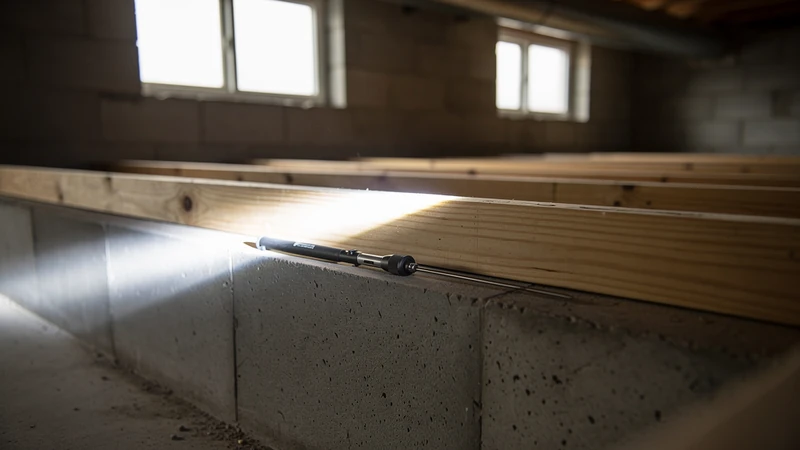
Spring swarms are the most visible sign, and they are common in older Philadelphia neighborhoods with aged wood framing. Mud tubes along basement walls or foundation edges, hollow-sounding wood and discarded wings near windowsills are other indicators. A thorough inspection of the basement and any exposed framing is the right first step.
What should a pest control contract in Philadelphia include?
A clear contract names the pests covered, the number of visits per year, the guarantee period, what triggers a free return visit and the cancellation terms. Contracts that auto-renew without notice or charge a fee to cancel have come up as a recurring complaint from Philadelphia homeowners, so read those terms before signing.
Is it safe to stay home during pest control treatment?
Most standard treatments used in Philadelphia homes allow residents to return once surfaces are dry, typically one to four hours after the visit. Technicians should tell you which products were applied and the reentry time before they leave. If a product was used in food preparation areas, ask specifically about any extra precautions for children or pets.
Why Philadelphia homes face persistent pest pressure
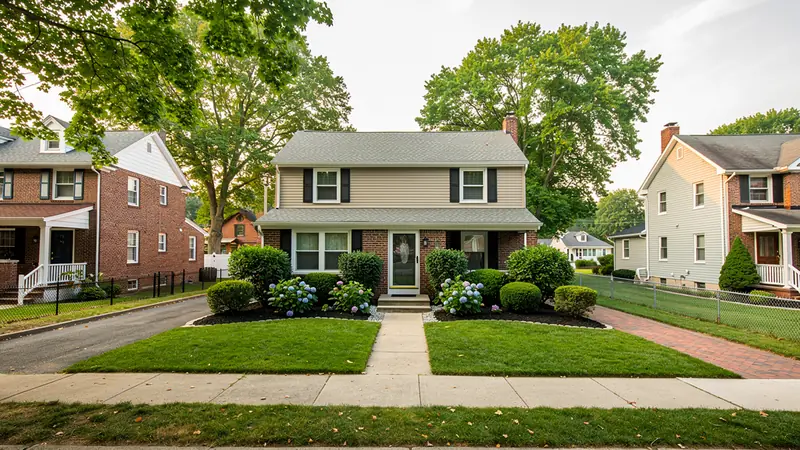
Philadelphia's hot, humid summers and cold winters push pests indoors twice a year. In summer, damp basements and crawl spaces in older Kensington and North Philadelphia rowhouses attract cockroaches and silverfish. In fall, stink bugs and ants push through gaps around pipes, windows and foundations as temperatures drop. Shared walls in dense blocks mean a nest in one unit can spread to several neighboring homes before anyone notices.
Older housing stock is the defining challenge. Many Philadelphia homes were built before modern sealing standards, and gaps around plumbing chases, aging window frames and crumbling mortar joints give pests a direct route in. A thorough provider will inspect these points and document what was found, not just spray the perimeter and leave.
- Shared rowhouse walls let rodents and cockroaches travel between units without going outside
- Humid summers encourage mold in basements, which attracts moisture-loving pests
- Spring termite swarms are common in older neighborhoods with aged wood framing
- Fall cooling pushes stink bugs and ants through any gap in the building envelope
What to expect from a qualified pest control visit
A proper inspection in Philadelphia covers the basement, crawl space, pipe penetrations, window frames and any shared walls. After the inspection, expect a written summary of what was found and which products will be used — homeowners have the right to know exactly what is applied in their home. Recurring issues like pests returning between visits are often a sign that entry points were not sealed after treatment.
Before booking, ask whether the service includes sealing or exclusion work, what the guarantee period covers, and whether follow-up visits are included in the quoted price. Watch out for vague contracts that auto-renew or are difficult to cancel — a pattern that shows up repeatedly in Philadelphia pest control complaints.
- Ask for a written list of products used and their application locations
- Confirm whether entry-point sealing is included or quoted separately
- Clarify the guarantee period and what triggers a free return visit
- Review contract terms for auto-renewal clauses before signing
Common pest services in Philadelphia and typical costs
Pricing varies by pest type, home size and the extent of infestation. An initial one-time treatment in Philadelphia typically runs $155 to $310, while quarterly pest service — the most common plan for rowhouses — runs $105 to $210 per visit. Rodent exclusion and trapping, which involves sealing entry points and setting bait, runs $310 to $935 depending on how many access points need work.
More intensive services cost more. Termite treatment in Philadelphia ranges from $520 to $2,600 for a one-time treatment, reflecting the complexity of older wood-framed structures. Bed bug treatment for a whole home runs $1,040 to $2,600. Wasp or hornet nest removal runs $105 to $365. See the full Philadelphia pest control pricing page for a breakdown of each service.
- Initial one-time treatment: $155 to $310
- Quarterly pest service per visit: $105 to $210
- Rodent exclusion and trapping: $310 to $935
- Termite treatment, one-time: $520 to $2,600
- Bed bug treatment, whole home: $1,040 to $2,600
- Wasp or hornet nest removal: $105 to $365
Neighborhoods served across Philadelphia
Dense residential areas across Philadelphia each have their own pest patterns. Fairmount's smaller row and town homes on streets near the Schuylkill corridor see ant and rodent pressure through shared foundations. Fishtown's frame dwellings and rowhouses near the Delaware River side deal with basement moisture that encourages cockroaches. Manayunk's hilly, cobblestone blocks of two- and three-story row homes are prone to rodent entry through gaps in aging masonry.
Providers also serve nearby cities including Upper Darby, Abington and Haverford. Whether a home is in a dense block in Kensington or a quieter street in Lower Merion, the inspection process should be consistent: check every likely entry point, document what was found, and explain the treatment plan before starting work.
Explore area-specific guides: pest control in Fairmount, pest control in Fishtown, pest control in Kensington and pest control in Manayunk.
- Fairmount: shared foundations and ant pressure in smaller rowhouses
- Fishtown: frame dwellings with basement moisture and cockroach risk
- Kensington: dense residential blocks with former factory buildings and rodent pressure
- Manayunk: hilly streets with aging masonry gaps favoring rodent entry
- Upper Darby and Abington: suburban homes with seasonal ant and stink bug cycles
Pest services in Philadelphia

Philadelphia neighborhoods
Talk to a local pest pro this week
Call (267) 936-4019